Austria
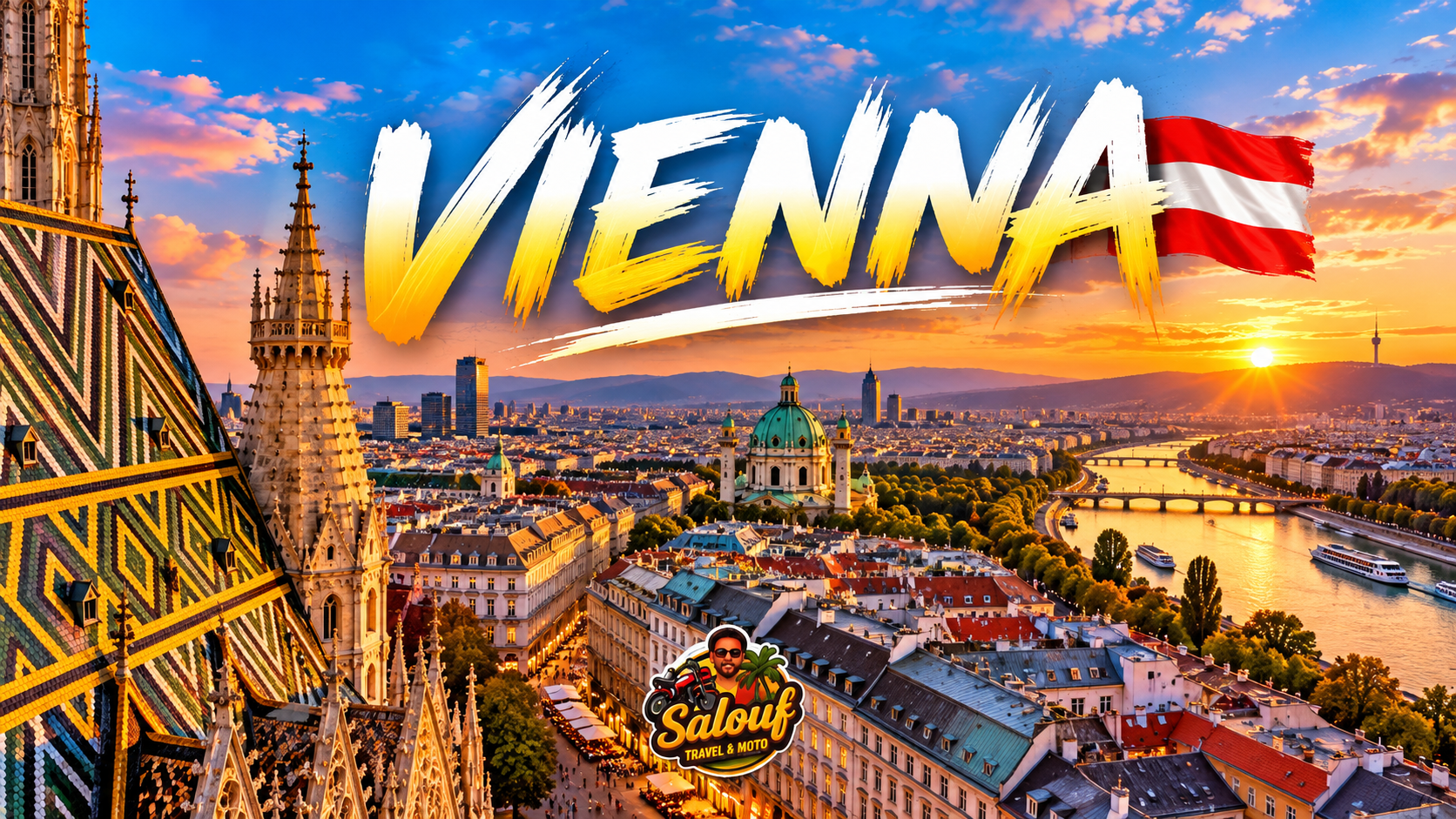
Vienna
Vienna combines Habsburg palaces, major art collections, classical music and a coffeehouse culture that rewards unhurried visits. The compact historic center connects by public transport to Schönbrunn, neighborhood markets and green spaces. It is especially useful for museum lovers, couples and families who want a city break without a car.
Why visit
Plan around a few collections or performances rather than trying to enter every palace. Gardens, neighborhood cafés and tram journeys add variety between museum visits.
Best time to visit
April–June and September–October suit parks and walking, with rain possible in any season. July–August can be hot and busy. November–March suits museums and concerts but has short, cold days. Advent markets make late November–December popular rather than automatically cheap; January–February outside events may be better value. Check performance calendars before booking.
Suggested trip length
3–4 days for the center, Schönbrunn and one or two art museums; 5 days allows slower neighborhoods or a separate excursion.
Highlights
- Schönbrunn Palace — Hietzing. See the imperial residence and gardens, allowing a half-day. Select an official timed tour that matches your interests; garden attractions can have separate admission.
- St Stephen’s Cathedral — Innere Stadt. The Gothic landmark anchors a walk through the old center. Tower and other paid visits differ from access for worship; respect services.
- Hofburg — Innere Stadt. Explore the courtyards and choose the Sisi Museum or another collection. The complex holds several institutions; one ticket does not cover everything.
- Upper Belvedere — Landstraße. Visit for Klimt and other Austrian art, then walk the gardens. Reserve the correct building and time slot; Upper and Lower Belvedere are different visits.
- Kunsthistorisches Museum — Maria-Theresien-Platz. A strong choice for historic art collections. Give it a half-day and select galleries rather than treating it as a quick stop.
- MuseumsQuartier — Neubau. Combine an art museum with the public courtyards and nearby independent shops. Courtyard time is separate from ticketed exhibitions.
- Prater — Leopoldstadt. Walk the park or choose the Giant Ferris Wheel for city views. Rides are paid individually; park entry is not a ticket to every attraction.
- Naschmarkt — by the Wien River. Browse produce and international food stalls, checking opening days. Compare prices before sitting down; it is a food experience, not automatically a bargain.
Practical tips
- Book timed palace and museum visits on the venue’s own site.
- Check whether your airport ticket includes the city connection.
- Validate paper tickets when required and carry proof for digital tickets.
- Do not buy a sightseeing card until its inclusions match your actual itinerary.
- Take a water bottle and layers; parks and museum interiors need different clothing.
- Check Sunday shopping hours before relying on supermarket meals.
Beyond the landmarks
Take time in a traditional coffeehouse, browse independent shops around Neubau or walk the Danube Island paths. Book music at an actual venue and check the program rather than buying an unspecified “Mozart concert.” Bratislava can be a separate day by rail if your timetable allows; do not add it to a Schönbrunn day.
Suggested itineraries
One day: St Stephen’s, the old-town lanes and Hofburg courtyards, with one coffeehouse stop.
Three days: day 1 historic center and one Hofburg collection; day 2 Schönbrunn and a relaxed evening; day 3 Belvedere or Kunsthistorisches Museum, then Naschmarkt or MuseumsQuartier. Choose one major art museum if you dislike long indoor days.
Five days: add Prater/Danube Island and another museum or a separate Bratislava day, leaving travel buffers.
Airport and local transport
From Vienna Airport, compare S7 to Wien Mitte, Railjet to Hauptbahnhof and the premium CAT to Wien Mitte against your hotel location. The airport is outside the Vienna core fare zone: a city ticket alone does not cover the full rail journey. Use ÖBB for the through ticket and Wiener Linien/WienMobil for city travel. U-Bahn, trams and walking work well; a rental car adds parking costs. Compare current 24-hour and multi-day products instead of relying on old 48-/72-hour pass advice.
Where to stay
Innere Stadt: convenient first-visit sights, higher prices. Leopoldstadt: parks and family-friendly options with good transit; check distance to your station. Neubau/Mariahilf: cafés, shops and evenings out; busy streets can be noisy. Landstraße: useful for Belvedere and Wien Mitte connections. Favor a room near U-Bahn over a cheap address needing several transfers; compare accessibility if traveling with a stroller.
Food and halal planning
Viennese classics include Wiener Schnitzel, apple strudel and coffeehouse cakes. Schnitzel may be veal or pork and is not halal by default; ask about meat source and cooking fat. Turkish and other international restaurants offer useful alternatives, but verify halal claims. Bakeries, supermarket meals and lunch menus help control spending; coffeehouse service is usually more expensive than takeaway.
Estimated travel budget
Planning estimates per adult/day in EUR: €45–85 for a share of a basic double room, €25–40 food, €5–12 transport averaged over your stay, €0–30 visits: approximately €75–167 total. Concerts, multiple palace interiors and solo rooms add more. These are broad planning allowances, not current accommodation or admission quotes. Flights, airport transfers, visa, insurance and tourist taxes charged separately are excluded.
Practical information
Currency: EUR. Main language: German; English is common in visitor services. Time zone: Europe/Vienna, UTC+1 in winter, UTC+2 in summer. Electricity: 230 V, C/F plugs. Emergency: 112. WienMobil and ÖBB help plan transport; download offline maps. Check Moroccan roaming fees or a compatible SIM/eSIM. Follow concert dress guidance, keep voices low during performances and check Sunday shop opening before relying on shopping.
Entry for Moroccan passport holders
Visa required for ordinary Moroccan passport holders traveling for tourism; this is not visa-free entry, visa on arrival or an automatic e-visa route. Check the destination country’s consulate or official visa portal for the current procedure and your personal circumstances. A residence permit from another country does not automatically provide entry rights. Review your visa’s validity, number of entries and permitted territory; a visa does not guarantee admission. Apply to the appropriate main-destination authority and verify transit requirements before paying for travel.
For a short Schengen visit, the general limit is 90 days in any 180-day period across the area, subject to the shorter stay on your visa. Check the official rules for passport validity and supporting documents, including accommodation, funds, return travel and insurance. Recheck official entry guidance close to departure; this guide was researched on 12 October 2026.
Sources and verification
- Vienna sightsChecked:
- Airport connectionsChecked:
- Vienna climateChecked:
- Belvedere visitsChecked:
- Austrian visa guidanceChecked:
- EU entry documentsChecked:
- EU visa requirement listChecked:
- Schönbrunn visitor informationChecked:
- Halal dining: Vienna tourismChecked:
- Vienna practical informationChecked:
- EU emergency number 112Checked:
Related travel deals
No related travel deals are live for this destination yet.