Spain
Tenerife
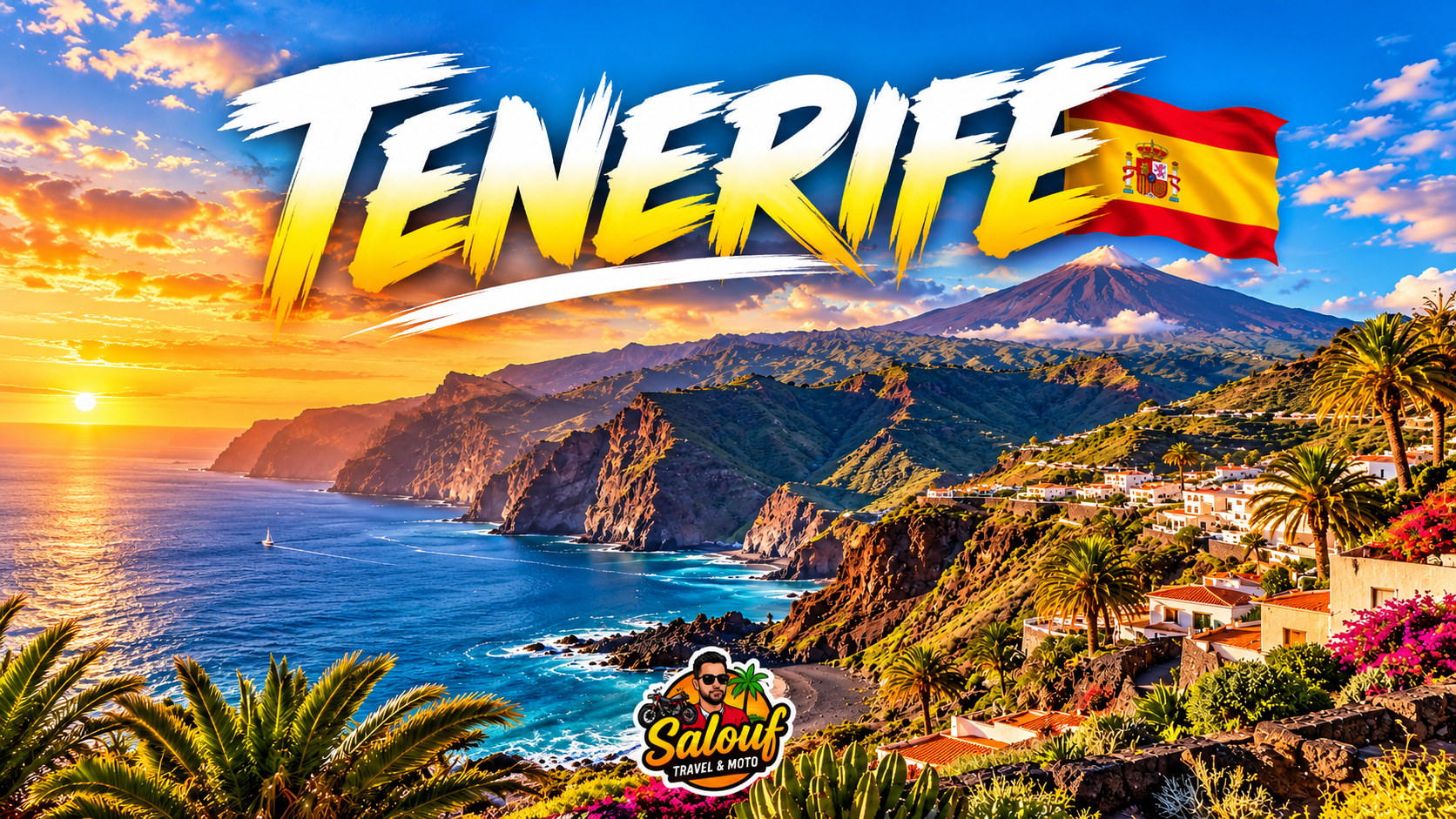
Tenerife pairs Atlantic beaches with the volcanic landscapes of Teide, the laurel forests of Anaga and the historic streets of La Laguna. The Canary Island suits walkers, families and travelers who want a beach break with independent day trips. Choose your base carefully: the greener north and the resort south offer different trips.
Why visit
Visit for the contrast between high volcanic terrain, Canarian towns and the ocean, rather than treating the island as a single beach resort. A week allows time for several landscapes without driving across the island every day.
Best time to visit
April–June and September–October are good starting points for walking and mixed trips outside school holidays. Winter attracts sun seekers; Christmas, Easter and Carnival can raise demand. The north is generally cloudier than the south. Teide can be cold or snowbound even when the coast is mild; summer heat and calima dust can disrupt outdoor plans.
Suggested trip length
5–7 days for coast, towns and one or two nature days; 3 days means choosing one part of the island.
Highlights
- Teide National Park — central highlands. Volcanic viewpoints make a rewarding day without a summit climb. Check Tenerife ON for trail access and weather; cable-car tickets do not automatically grant summit access.
- La Laguna — northeast. Walk the old town to see courtyards, churches and Canarian facades. Combine it with a market visit rather than rushing through on the way to Anaga.
- Anaga Rural Park — northeast. Laurel forest paths and ridge views suit a dedicated walking day. Select a route for your fitness and check reservations, closures and the last return bus.
- Masca — Teno, northwest. The village overlooks steep ravines. A village visit is separate from the demanding gorge hike: check current road restrictions and official gorge booking before setting out.
- Puerto de la Cruz — north coast. Explore the old port and Lago Martiánez seawater pools for a gentler day. Check pool admission and sea conditions before planning to swim.
- La Orotava — above Puerto de la Cruz. Historic streets and wooden balconies give a useful introduction to Canarian architecture. Expect slopes and wear comfortable shoes.
- Los Gigantes — west coast. View the cliffs from the harbor area or a licensed boat trip. Compare weather, duration and wildlife practices before booking an excursion.
- El Médano — southeast. A seaside town for beach walks and wind sports. It is often windy; families should follow beach flags and select a supervised swimming area.
Practical tips
- Reserve nature access through official channels; a summit permit, cable-car ticket and gorge booking are different products.
- Carry layers for Teide and Anaga, even if leaving a sunny beach.
- Check the last bus before starting a walk; rural services can be sparse.
- Follow beach flags and natural-pool closures; sheltered-looking water can still be hazardous.
- Check return transport before a sunset or stargazing excursion.
- Choose one geographical area per day; cross-island driving reduces time at each stop.
Beyond the landmarks
Shop for fruit and picnic supplies at La Laguna’s market, walk the south-coast promenades or join a responsible whale-watching trip from the southwest. Stargazing needs warm clothing and a safe return plan. Treat La Gomera as a separate full-day ferry excursion, not an extra stop after Teide.
Suggested itineraries
One day: explore La Laguna and its market, or stay on the coast near your base.
Three days: one coastal day, one Teide excursion if conditions allow, and one day around La Laguna; avoid adding Masca and Anaga to the same day.
Seven days: allow arrival and departure time, two coast days, a Teide day, La Laguna plus a short Anaga walk, Puerto de la Cruz/La Orotava and a flexible west-coast day. For longer Anaga hikes give the park its own day. Use a north/south split stay only if changing accommodation is worthwhile.
Airport and local transport
Check whether you arrive at Tenerife South (TFS) or North (TFN). TITSA airport buses connect to different towns; use Aena and TITSA to choose the line for your actual accommodation, and check late arrivals. Buses and the Santa Cruz–La Laguna tram work well for towns. A car helps with dispersed viewpoints but mountain roads are winding and access restrictions apply. The TITSA visitor travelcards are €10/24 hours or €50/7 days, with a €2 physical card, checked 12 October 2026; compare with single fares and recheck before travel.
Where to stay
Costa Adeje: beach facilities and family resorts, usually a higher budget. Los Cristianos: convenient for a first coastal stay and buses, but busy. Playa de las Américas: nightlife, so check noise reviews. Puerto de la Cruz: northern town life and access to La Orotava, with less reliable beach weather. La Laguna/Santa Cruz: useful for culture, transport and Anaga rather than a resort holiday. Cheap rural accommodation can lose its advantage if you need a car for every meal.
Food and halal planning
Look for papas arrugadas with mojo, gofio and grilled fish. Traditional guachinches are associated with local wine and often meat-heavy menus; they are not automatically halal. Confirm stock, pork, alcohol and preparation directly. Self-catering, supermarkets and a lunch menu can keep spending down; confirm halal certification rather than relying on a restaurant’s cuisine label.
Estimated travel budget
Planning estimates per adult/day in EUR, not live quotes: €30–60 for a share of a basic double room, €20–35 food, €5–15 local buses averaged across the stay, €0–25 activities: about €55–135 total. Solo rooms, car hire, fuel, boat trips and cable-car days can exceed this range. Excludes flights, visa, insurance and airport transfers. Accommodation is per person sharing, not the full room price; price your exact dates separately.
Practical information
Currency: EUR. Main language: Spanish; English is common in resort services. Time zone: Atlantic/Canary, UTC+0 in winter and UTC+1 in summer. Electricity: 230 V, European C/F plugs. Emergency: 112. Use TITSA/ten+ for transport and Tenerife ON for nature access. Check roaming charges with your Moroccan operator or compare a compatible local SIM/eSIM. Keep valuables out of parked cars and respect trail closures and residential spaces.
Entry for Moroccan passport holders
Visa required for ordinary Moroccan passport holders traveling for tourism; this is not visa-free entry, visa on arrival or an automatic e-visa route. Check the destination country’s consulate or official visa portal for the current procedure and your personal circumstances. A residence permit from another country does not automatically provide entry rights. Review your visa’s validity, number of entries and permitted territory; a visa does not guarantee admission. Apply to the appropriate main-destination authority and verify transit requirements before paying for travel.
For a short Schengen visit, the general limit is 90 days in any 180-day period across the area, subject to the shorter stay on your visa. Check the official rules for passport validity and supporting documents, including accommodation, funds, return travel and insurance. Recheck official entry guidance close to departure; this guide was researched on 12 October 2026.
Sources and verification
- Tenerife tourismChecked:
- Masca accessChecked:
- TITSA faresChecked:
- South airport busesChecked:
- Spanish consular visa guidanceChecked:
- EU entry documentsChecked:
- EU visa requirement listChecked:
- Teide access permitsChecked:
- Canarian foodChecked:
- ElectricityChecked:
- EU emergency number 112Checked:
Related travel deals
No related travel deals are live for this destination yet.