Hungary
Budapest
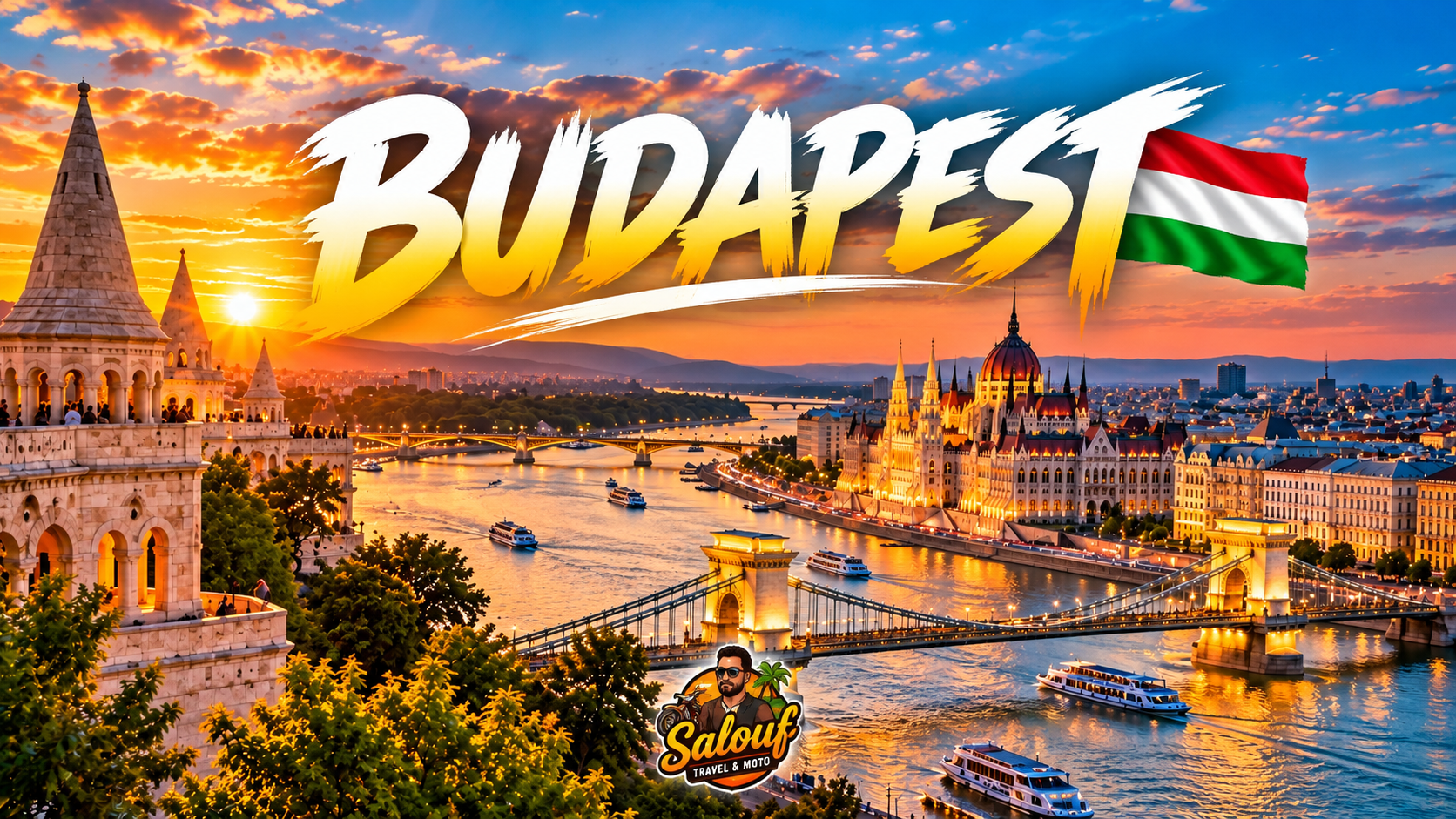
The Danube separates hilly Buda from flatter Pest. Budapest combines the Castle District, grand riverfront buildings, thermal bathing and the Jewish Quarter’s cafés and nightlife. It suits a three- or four-day city break with plenty of walking, plus time to slow down in a bath or park.
Why visit
Choose Budapest for river panoramas, Hungarian history and the unusual combination of an urban holiday with thermal bathing. Pest is convenient for most first visits; cross to Buda for a quieter, hillier atmosphere.
Best time to visit
April–May and September–October suit walking, with layers for cool evenings and rain. July–August can be hot and busy, especially during major festivals. November–March can offer lower room prices outside Christmas and event dates, but days are shorter and cold. Advent markets attract crowds; confirm their annual dates.
Suggested trip length
3–4 days for both riverbanks, a bath and museums; add a day for Szentendre.
Highlights
- Buda Castle District — District I. Walk the lanes and terraces for the city’s historic setting. Reserve museum time separately and use a bus if the hill climb is difficult.
- Fisherman’s Bastion and Matthias Church — Castle Hill. River views and colorful roof tiles reward an early visit. Some terraces and church visits require separate tickets.
- Hungarian Parliament — District V, Pest riverbank. Book the official guided visit for the interiors, or enjoy the exterior from the opposite bank. Check language and ID requirements.
- St Stephen’s Basilica — District V. Visit for the interior and city views from the dome when accessible. Check worship times and the ticket appropriate to your visit.
- Széchenyi Thermal Bath — City Park. Set aside a half-day for bathing rather than squeezing it between museums. Read current age, swimwear and pool rules before buying admission.
- Heroes’ Square and City Park — District XIV. The monumental square leads into green space and museums. Pair an outdoor walk with one museum rather than attempting them all.
- Dohány Street Synagogue and Jewish Quarter — District VII. Learn about Jewish heritage before exploring courtyards and cafés. Check religious closures and dress guidance.
- Central Market Hall — by Fővám tér. Browse paprika and produce in a historic hall. Compare souvenir prices and check opening days; a market visit does not need an expensive guided tour.
Practical tips
- Pay in HUF and compare ATM fees; accepting an offered conversion to MAD or EUR may cost more.
- Validate tickets as instructed; buying a ticket is not always enough.
- Book Parliament through its official visitor center, choosing a language you understand.
- Pack swimwear and check bath rules, including restrictions for children.
- Castle Hill involves slopes; use public transport if stairs are a problem.
- Choose quiet accommodation streets if staying near ruin bars.
Beyond the landmarks
Walk or picnic on Margaret Island, ride tram 2 along the Pest riverbank with a valid ticket, or explore café courtyards in the Jewish Quarter. Szentendre makes a separate day trip for lanes and galleries; suburban rail needs the correct fare beyond the city boundary. Ruin bars are an optional evening experience, not essential to enjoy the city.
Suggested itineraries
One day: Castle Hill in the morning, then cross the Chain Bridge and walk the Pest riverbank. Choose exteriors if interior reservations are unavailable.
Three days: day 1 Castle District and the Danube; day 2 Parliament, Basilica and Jewish Quarter; day 3 Heroes’ Square, City Park and a bath. Book only one major timed visit per half-day.
Five days: add Margaret Island and a separate Szentendre excursion, with rain time for museums.
Airport and local transport
The 100E Airport Express reaches central Pest using a dedicated airport ticket: 2,500 HUF one way, checked 12 October 2026. Standard city single tickets and short travelcards do not cover it. Bus 200E plus metro M3 is another option; use a suitable pass or validate the necessary tickets. BudapestGO provides journey planning and ticket instructions. Metro, trams and buses make car hire unnecessary for a city break; choose a multi-day product only after comparing your journeys.
Where to stay
District V: central and easy for a first trip, with higher room prices. District VI near metro stops: a practical compromise for budget and transport. District VII: cafés and nightlife, but check courtyard and street noise. Buda’s District I: calmer historic surroundings and hills, with fewer late-night options. Families can consider quieter streets in District XIII near transport and Margaret Island. A cheap outer hotel needs a realistic late-night journey home.
Food and halal planning
Try gulyás soup, lángos and kürtőskalács chimney cake, with ingredients checked for your needs. Paprika dishes may contain pork, lard or meat stock; Hungarian cuisine is not automatically halal. Seek restaurants explicitly offering halal meat and confirm certification directly. Bakeries, supermarkets and lunch menus can lower spending; market food upstairs is not always the cheapest option.
Estimated travel budget
Planning estimates per adult/day in HUF: 12,000–24,000 for a share of a basic double room, 7,000–12,000 food, 2,000–3,000 transport averaged over a stay, and 0–10,000 attractions: roughly 21,000–49,000 total. Bath or Parliament days may cost more. These are allowances, not verified booking prices. Flights, airport transfers, visa and insurance are excluded; solo rooms and festivals can raise the accommodation budget.
Practical information
Currency: Hungarian forint (HUF), not EUR. Main language: Hungarian; English is useful in visitor services. Time zone: Europe/Budapest, UTC+1 in winter, UTC+2 in summer. Electricity: 230 V, C/F plugs. Emergency: 112. Use BudapestGO and download offline maps. Moroccan mobile plans do not automatically include EU roaming: check charges or a compatible SIM/eSIM. Protect valuables on busy transport and check prices before ordering or entering nightlife venues.
Entry for Moroccan passport holders
Visa required for ordinary Moroccan passport holders traveling for tourism; this is not visa-free entry, visa on arrival or an automatic e-visa route. Check the destination country’s consulate or official visa portal for the current procedure and your personal circumstances. A residence permit from another country does not automatically provide entry rights. Review your visa’s validity, number of entries and permitted territory; a visa does not guarantee admission. Apply to the appropriate main-destination authority and verify transit requirements before paying for travel.
For a short Schengen visit, the general limit is 90 days in any 180-day period across the area, subject to the shorter stay on your visa. Check the official rules for passport validity and supporting documents, including accommodation, funds, return travel and insurance. Recheck official entry guidance close to departure; this guide was researched on 12 October 2026.
Sources and verification
- Budapest top sightsChecked:
- Thermal bathsChecked:
- BKK airport transportChecked:
- Airport ticket conditionsChecked:
- Hungarian Embassy in Rabat: short stayChecked:
- EU entry documentsChecked:
- EU visa requirement listChecked:
- Széchenyi official bath rulesChecked:
- Budapest climate dataChecked:
- EU emergency number 112Checked:
Related travel deals
No related travel deals are live for this destination yet.